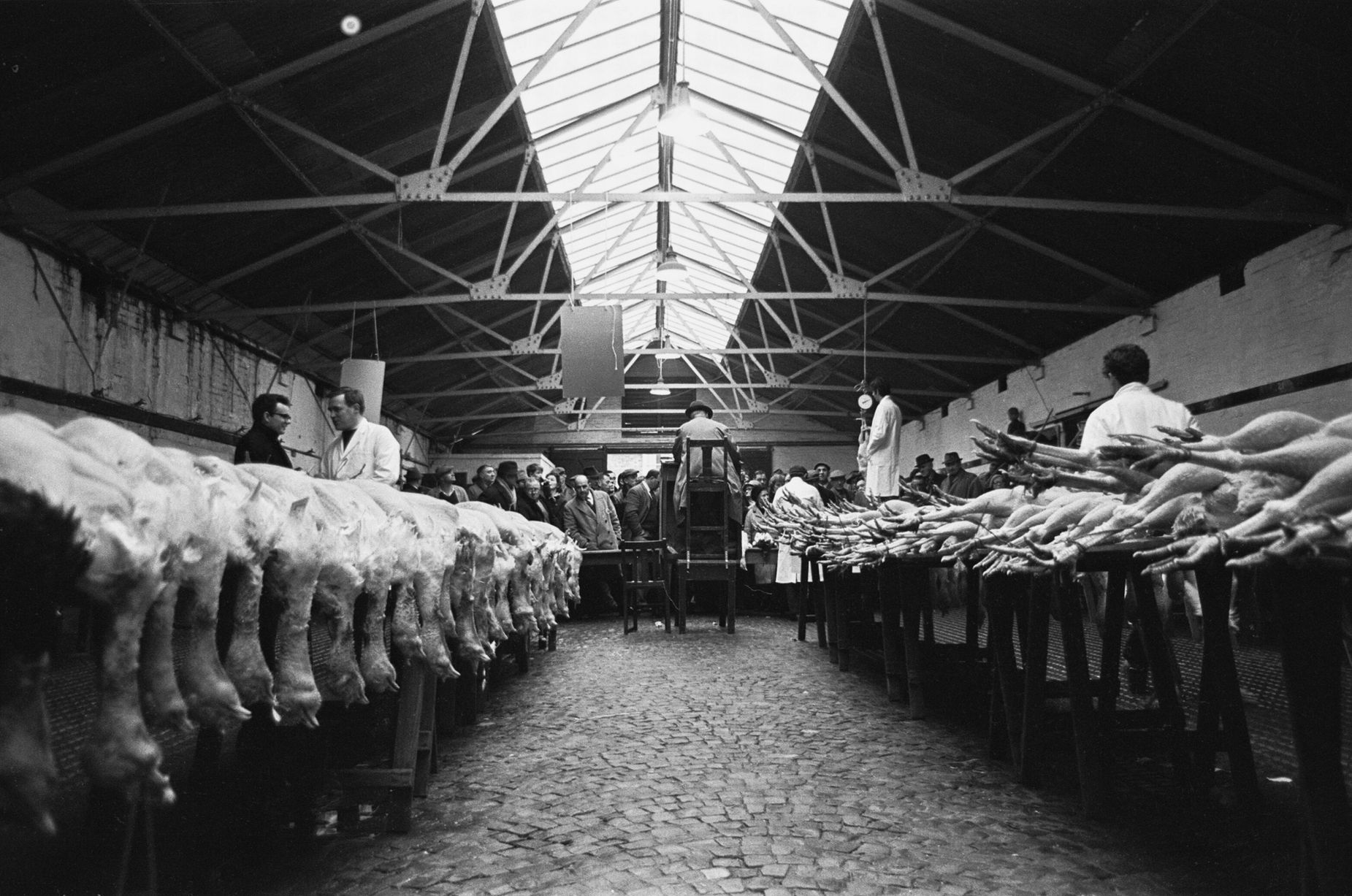
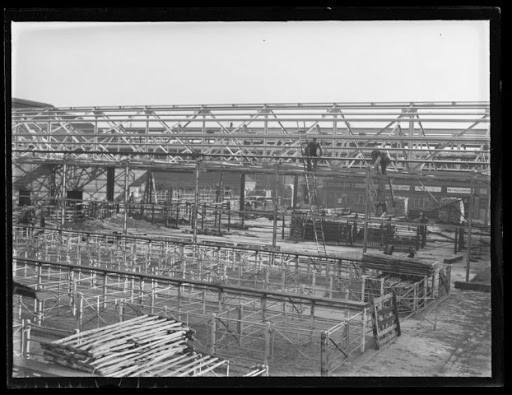
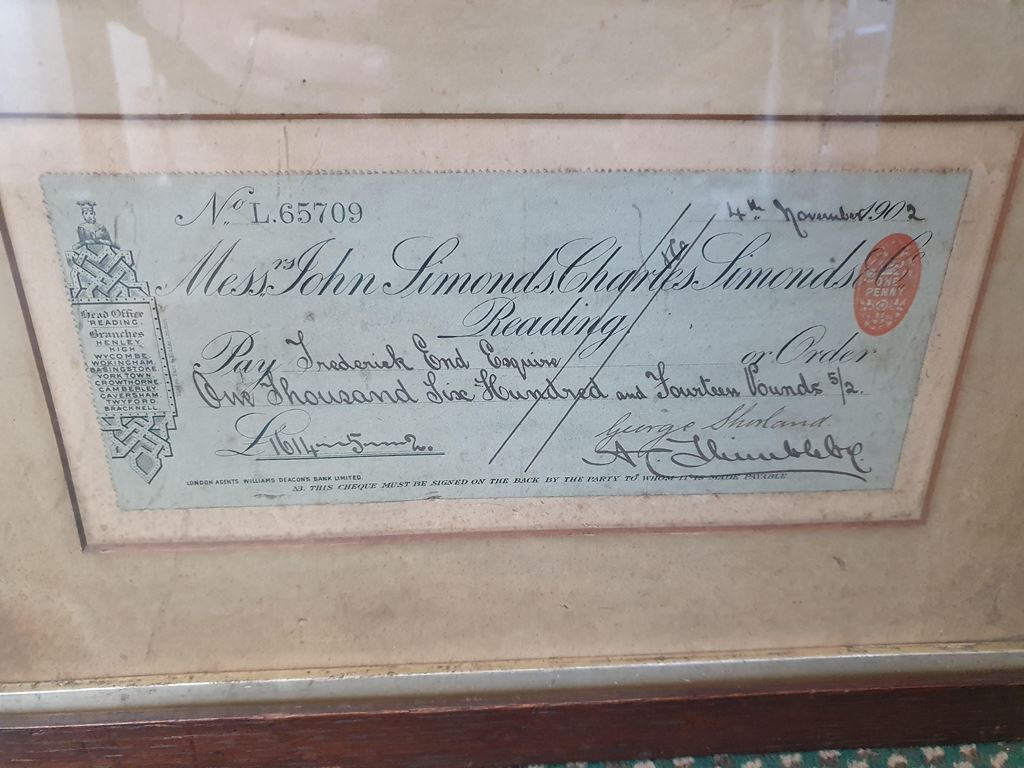
Thimbleby & Shorland has been trading in Reading since 1901 and remains one of the town’s longest-established independent businesses. From its earliest days, the firm has been closely associated with agricultural auctions, operating from Reading Cattle Market, itself founded by Royal Charter in 1850.
Reading Market is still regarded as one of the largest fully covered markets in the country.
The business was founded in March 1901 as Bailey & Thimbleby. Mr Bailey was a furniture auctioneer based in Friar Street, Reading, while A. C. Thimbleby was an insurance agent operating from Queens Road. The partnership was formally announced in May 1901.
Recognising Reading’s growing importance as an agricultural centre, Bailey and Thimbleby understood that involvement in the expanding cattle market was essential. In October 1901 they approached George Shorland, a respected farmer with holdings between Reading and Henley-on-Thames, who agreed to manage the agricultural side of the enterprise. The firm then traded as Messrs Bailey, Thimbleby & Shorland—marking the beginning of the company as it is known today. By 1903 Mr Bailey had withdrawn, and subsequent advertisements referred solely to Thimbleby & Shorland.
Expansion in the agricultural sector continued rapidly. By 1911 the firm was conducting cattle sales three days a week at Reading Cattle Market. Strong trading relationships were established in Irish cattle, Berkshire pigs, horses, and farm machinery.
Notable early sales included an eight-horsepower traction engine and three complete sets of road rollers—an early indication of what would later become a significant specialism in contractors’ plant.
By the end of the First World War in 1918, Thimbleby & Shorland had achieved national recognition, conducting livestock sales throughout the country. Although dairy cattle sales were extensive, one of the busiest departments at the time was horse auctions. In 1918 the Secretary of State for War instructed the firm to sell Army horses repatriated from France.
Local press advertisements paid tribute to these retired war horses:
Tried and passed the test
They did their very best
They worked to win the war
They’ll work for you still more
Growth continued through the 1920s and 1930s, when the firm was importing trainloads of Ayrshire cattle from Scotland—animals unfamiliar to many English buyers at the time.
Furniture sales have been part of the business since its foundation in 1901 and remain so today. Auctions now include antiques & collectables, contractor’s plant, farm & agricultural, hay & straw, as well as seized vehicles on behalf of the DVLA.
The well-known T&S Carriage Sales began in the 1960s, with the first open sale held in 1965. Since then, approximately 25,000 carriages have passed through the firm’s hands, sold to buyers from all walks of life.
As livestock markets declined, the firm diversified into the contractors’ plant sector in the mid-1980s. This department has grown steadily, with six on-site plant auctions now held annually. Vendors include private sellers, dealers, end users, finance companies, and national hire firms, with buyers participating from across the UK and worldwide. The firm also conducts on-site sales at vendors’ premises nationwide.
With 125 years of continuous trading, Thimbleby & Shorland remains a cornerstone of Reading’s commercial life. While the range of products has evolved—from carriages to contractors’ plant, cars and commercial vehicles—the firm’s ethos remains unchanged: a respected name, reliable service, personal attention, and enduring independence.
Still going strong since 1901—and looking ahead to the next century of trading.